
Dental Imaging Systems: How Advanced Technology Improves Diagnosis and Treatment Planning?
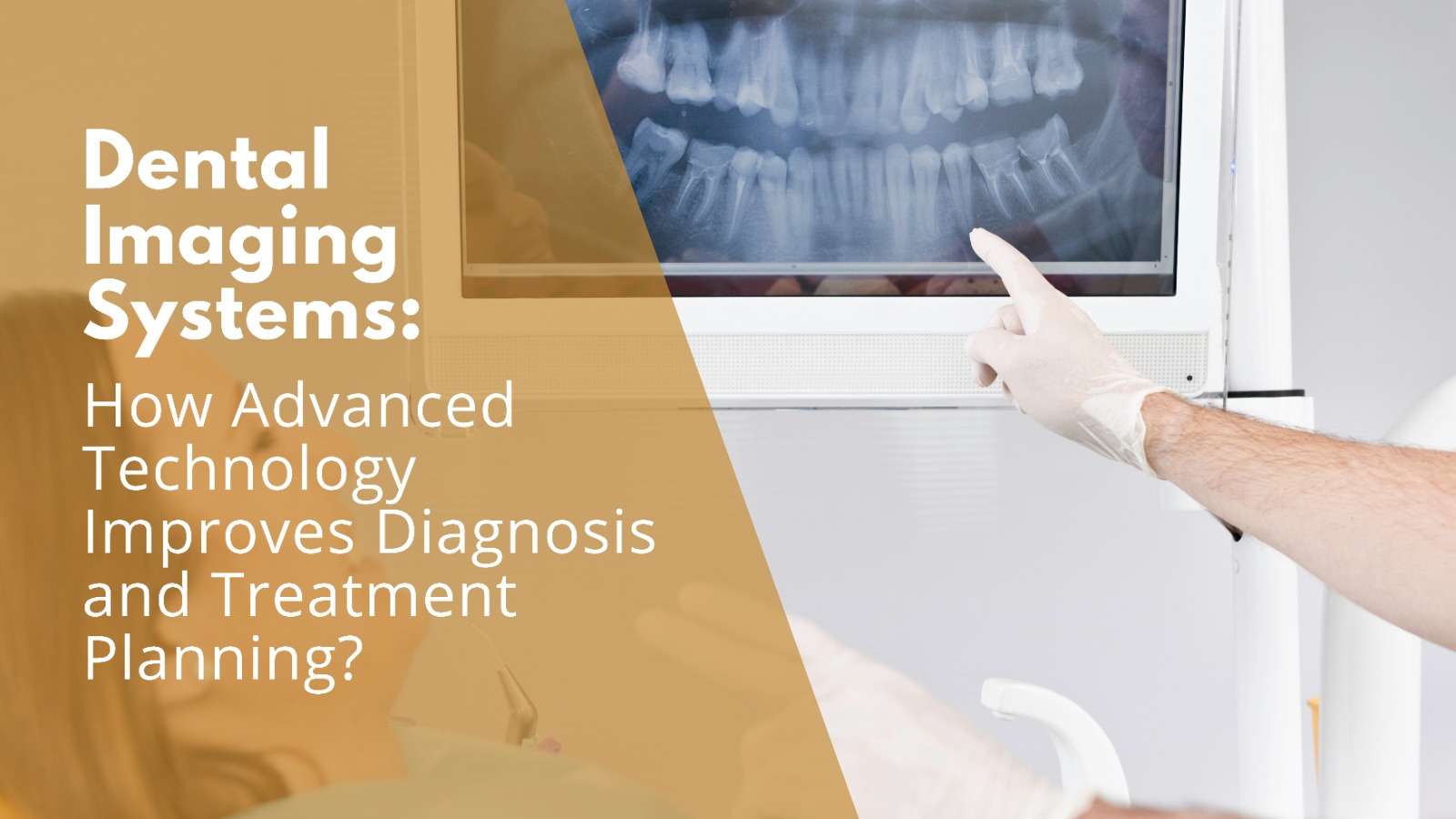
Modern dentistry has evolved far beyond traditional examinations and basic X-rays. Today, advanced dental imaging systems play a crucial role in diagnosing oral health conditions, planning treatments, and improving patient outcomes. Whether it is a routine dental check-up, orthodontic treatment, dental implant placement, or root canal therapy, high-quality imaging helps dentists make informed decisions with greater accuracy.
At Sakthi Smile Craft, we believe that precision in diagnosis is the foundation of successful dental treatment. That is why we have invested in advanced imaging technologies that enable us to provide comprehensive and patient-centered care.
What Are Dental Imaging Systems?
Dental imaging systems are specialized technologies used to capture detailed images of teeth, gums, jawbones, facial structures, and surrounding tissues. These images help dentists identify problems that may not be visible during a clinical examination alone.
Modern imaging systems include both two-dimensional (2D) and three-dimensional (3D) diagnostic tools, allowing dental professionals to assess oral structures with exceptional clarity and precision. Advanced digital imaging has significantly improved the way dental conditions are diagnosed and treated.
Why Are Dental Imaging Systems Important?
Accurate diagnosis is the first step toward effective treatment. Dental imaging systems help dentists:
- Detect cavities and tooth decay early
- Identify infections and bone loss
- Evaluate impacted teeth
- Assess jaw joint disorders
- Plan dental implant placement
- Monitor orthodontic treatment progress
- Diagnose sinus-related dental concerns
- Evaluate oral pathology and abnormalities
By providing detailed visual information, imaging systems reduce uncertainty and improve treatment predictability. Advanced digital imaging also enables more precise treatment planning and patient communication.
Common Types of Dental Imaging Systems
- Orthopantomogram (OPG)
An Orthopantomogram, commonly known as an OPG, is a panoramic dental X-ray that captures the upper and lower jaws in a single image. This imaging technique provides an overall view of the teeth, jawbones, and surrounding structures, making it an excellent screening tool for various dental conditions.
- Lateral Cephalogram
A lateral cephalogram provides a side-view image of the head, teeth, jaws, and facial profile. It is widely used in orthodontics to evaluate jaw relationships and develop accurate treatment plans for braces and aligners.
- RVG (RadioVisioGraphy)
RVG is a digital dental X-ray system that captures images using electronic sensors rather than traditional film. The images are instantly displayed on a computer screen, allowing faster diagnosis and treatment planning.
One of the major advantages of RVG is its significantly lower radiation exposure compared to conventional X-rays. Studies and clinical applications have shown that digital radiography can substantially reduce radiation while providing clearer images for diagnosis.
- CBCT (Cone Beam Computed Tomography)
CBCT is one of the most advanced dental imaging technologies available today. It creates detailed three-dimensional images of teeth, bones, nerves, and soft tissues.
CBCT is particularly useful for:
- Dental implant planning
- Orthodontic assessment
- Evaluation of impacted teeth
- Diagnosis of temporomandibular joint disorders (TMJ)
- Surgical planning
- Assessment of jawbone quality
The ability to visualize oral structures in three dimensions allows dentists to make more accurate clinical decisions and minimize treatment risks.
Benefits of Advanced Dental Imaging
1.Improved Diagnostic Accuracy
Advanced imaging technologies provide detailed visual information that helps identify dental problems at an early stage. This enables timely intervention and prevents minor issues from becoming major concerns.
2.Better Treatment Planning
Whether planning a dental implant, orthodontic treatment, or complex restorative procedure, imaging systems provide valuable information about bone structure, tooth position, and surrounding anatomy.
3.Enhanced Patient Safety
Modern digital imaging systems use optimized radiation levels while maintaining high image quality. Technologies such as RVG significantly reduce radiation exposure compared to traditional film-based radiography.
4.Greater Patient Understanding
When patients can see detailed images of their oral condition, they gain a better understanding of their treatment needs. This improves communication and helps patients make informed decisions about their dental care.
Dental Imaging and Digital Dentistry
The future of dentistry is digital. Advanced imaging systems integrate seamlessly with technologies such as intraoral scanners, CAD/CAM systems, and 3D printing.
Digital workflows allow dentists to create precise treatment plans, fabricate restorations more efficiently, and improve overall patient experience. At Sakthi Smile Craft, imaging systems are integrated with advanced digital technologies to enhance accuracy and efficiency across multiple dental procedures.
Advanced Imaging Systems at Sakthi Smile Craft
At Sakthi Smile Craft, we are committed to delivering precise diagnosis and high-quality dental care through advanced technology. Our clinic is equipped with both 2D and 3D imaging systems, including OPG, Lateral Cephalogram, RVG, and CBCT imaging solutions.
These technologies help us diagnose conditions accurately, develop personalized treatment plans, and provide predictable outcomes across various dental specialties. Learn more about our advanced imaging capabilities here:https://sakthismilecraft.com/imaging-systems/
Our investment in advanced dental technology reflects our commitment to providing safe, efficient, and patient-focused dental care.
Understanding Dental Radiography
Dental radiography is an essential component of modern oral healthcare. It helps dentists visualize structures that cannot be examined clinically and plays a critical role in preventive, restorative, and surgical dentistry.
For additional information about dental radiography, visit:
https://en.wikipedia.org/wiki/Dental_radiography
Conclusion
Advanced dental imaging systems have transformed the way dental professionals diagnose and treat oral health conditions. From routine examinations to complex implant procedures, technologies such as OPG, RVG, and CBCT provide the detailed information necessary for accurate diagnosis and effective treatment planning.
As digital dentistry continues to evolve, patients benefit from safer procedures, faster diagnosis, and more predictable outcomes.
Choosing a dental clinic equipped with modern imaging systems ensures that your treatment is based on precision, technology, and comprehensive care.
At Sakthi Smile Craft, our advanced imaging solutions help us deliver personalized dental care with accuracy and confidence, ensuring the best possible outcomes for every patient.
FAQs
- What are dental imaging systems?
Dental imaging systems are advanced diagnostic tools used to capture detailed images of teeth, gums, jawbones, and surrounding oral structures. They help dentists diagnose conditions accurately and plan treatments effectively.
- Why are dental imaging systems important in dentistry?
Dental imaging systems allow dentists to detect cavities, infections, impacted teeth, bone loss, and other oral health issues that may not be visible during a routine examination.
- What is an OPG scan?
An Orthopantomogram (OPG) is a panoramic dental X-ray that provides a comprehensive view of the upper and lower jaws, teeth, and surrounding structures in a single image.
- What is RVG in dentistry?
RVG (RadioVisioGraphy) is a digital dental X-ray system that captures high-quality images instantly. It offers better image clarity and typically uses less radiation than traditional film-based X-rays.
- What is a CBCT scan?
Cone Beam Computed Tomography (CBCT) is a 3D imaging technology that provides detailed views of teeth, bones, nerves, and soft tissues. It is commonly used for dental implants, orthodontics, and complex dental procedures.
- Is dental imaging safe?
Yes. Modern dental imaging systems are designed to minimize radiation exposure while providing highly accurate diagnostic information. Dentists recommend imaging only when clinically necessary.
- How often should dental X-rays be taken?
The frequency depends on your oral health condition, age, risk factors, and treatment needs. Your dentist will recommend imaging based on your individual requirements.
- Can dental imaging detect problems before symptoms appear?
Yes. Advanced imaging systems can identify cavities, infections, bone loss, impacted teeth, and other issues in their early stages, often before symptoms become noticeable.
- Why is CBCT preferred for dental implant planning?
CBCT provides a three-dimensional view of the jawbone, helping dentists accurately assess bone density, nerve locations, and implant placement sites for safer and more predictable outcomes.
- Are dental imaging systems used for orthodontic treatment?
Yes. Imaging systems such as OPG and Lateral Cephalograms help orthodontists evaluate tooth alignment, jaw relationships, and facial structures before planning braces or clear aligner treatments.
- What is the difference between 2D and 3D dental imaging?
2D imaging provides flat images of oral structures, while 3D imaging such as CBCT offers detailed three-dimensional views, allowing for more precise diagnosis and treatment planning.
- How do advanced imaging systems improve patient care?
Advanced dental imaging improves diagnostic accuracy, enhances treatment planning, reduces treatment risks, and helps patients better understand their oral health conditions and recommended procedures.
Contact Details
132, 3rd Cross, 2nd Stage, Arekere,
Mico Layout 2nd Stage, Bannerghatta Road,
Bengaluru, Karnataka – 560076, India
Phone: +91 70225 31531, 080-4219 2887, +91 98450 91611
Email: sakthismilecraft@gmail.com
Appointment: Practo
Website: Sakthi Smile Craft